
Industrial & Embedded Motherboard
Industrial and embedded motherboards give engineers a stable base for compact PCs, HMI systems, kiosks, edge gateways, and automation controllers. Long-life availability, rich display output, LAN, USB, serial, storage, and expansion options reduce redesign risk. They are chosen when continuity matters as much as performance.
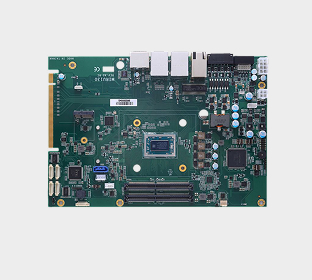
Embedded Vision BoardEmbedded vision boards support machine vision, AI inspection, robotics, and camera-based automation. With dedicated PoE camera ports, high-performance processors, graphics capability, display outputs, and vision-specific I/O, they help build compact systems for real-time image processing.
Explore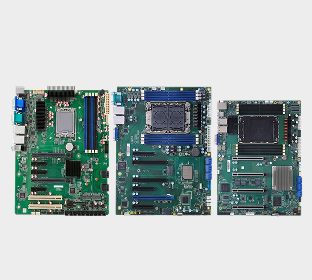
ATX MotherboardIndustrial ATX motherboards provide full-size computing platforms for automation PCs, medical systems, imaging, control servers, and edge applications. They support modern Intel processors, PCIe expansion, multiple displays, storage interfaces, LAN options, and long-life embedded availability. For ATX Motherboard, the design advantage is matching processor, footprint, and interface needs without losing lifecycle control.
Explore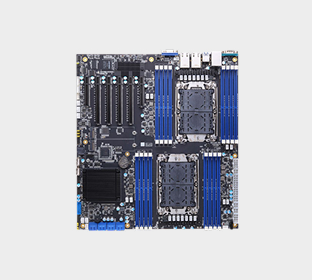
EATX MotherboardEATX server motherboards support high-performance industrial computing, HPC, storage, AI acceleration, and edge infrastructure. Dual Xeon processors, PCIe expansion, IPMI, NVMe, and server-grade memory options enable scalable platforms for demanding data and compute workloads. For EATX Motherboard, the design advantage is matching processor, footprint, and interface needs without losing lifecycle control.
Explore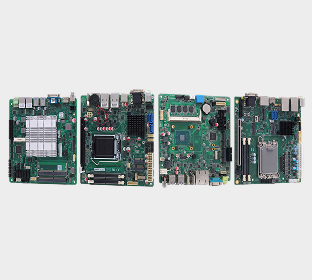
Mini ITX MotherboardMini-ITX industrial motherboards enable compact embedded PCs for automation, kiosks, digital signage, edge computing, and HMI systems. Small form factor designs provide processor flexibility, LAN, display, USB, M.2, SATA, and industrial I/O support for space-limited applications. For Mini ITX Motherboard, the design advantage is matching processor, footprint, and interface needs without losing lifecycle control.
Explore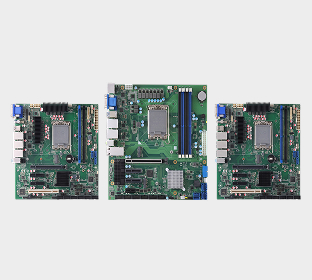
Micro ATX MotherboardMicro ATX industrial motherboards deliver balanced performance and expansion for compact automation PCs, kiosks, edge systems, and machine control. They support modern processors, multi-display output, 2.5GbE/10GbE options, USB, SATA, M.2, and long-life embedded deployment. For Micro ATX Motherboard, the design advantage is matching processor, footprint, and interface needs without losing lifecycle control.
Explore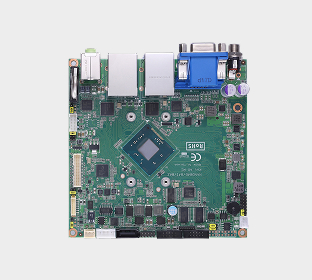
Nano-ITX Embedded BoardNano-ITX embedded boards provide ultra-compact computing for IoT devices, embedded controllers, handheld systems, and space-constrained industrial designs. Low-power processors, display interfaces, LAN, audio, USB, GPIO, and storage options help equipment builders build reliable custom products. For Nano-ITX Embedded Board, the design advantage is matching processor, footprint, and interface needs without losing lifecycle control.
Explore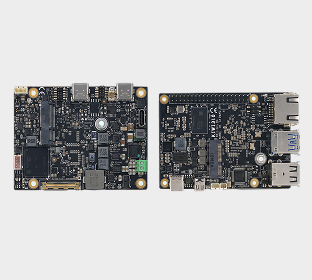
1.6/1.8-inch Embedded Board1.6/1.8-inch embedded boards are miniature SBCs for compact IoT, handheld, portable, and display-driven devices. They combine low-power processors, LPDDR memory, USB Type-C, eDP, HDMI, GPIO, wireless expansion, and industrial reliability in very small footprints. For 1.6/1.8-inch Embedded Board, the design advantage is matching processor, footprint, and interface needs without losing lifecycle control.
Explore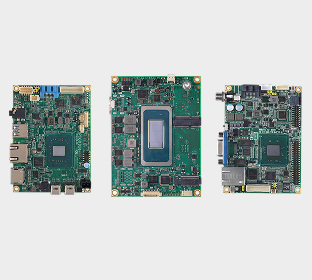
2.5-inch Pico-ITX BoardPico-ITX embedded boards provide compact industrial computing for IoT gateways, automation controllers, vision devices, and edge systems. Despite their small size, they support modern processors, HDMI/LVDS/eDP displays, GbE/2.5GbE LAN, USB, M.2, and rugged embedded operation. They keep edge and IoT designs small without giving up the interfaces needed for industrial use.
Explore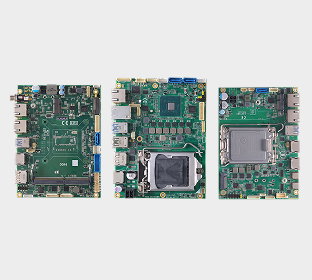
3.5-inch Embedded Board3.5-inch embedded SBCs are versatile boards for industrial automation, panel PCs, machine control, edge computing, and embedded devices. They provide strong processing, display outputs, dual LAN, serial I/O, USB, storage, expansion, and long-life availability for equipment builder designs. For 3.5-inch Embedded Board, the design advantage is matching processor, footprint, and interface needs without losing lifecycle control.
Explore