
- AGVs are computer-controlled
- wheel-based robots used for inspection or material movement across factories and warehouses
- the central controller is the piece that's critical for AGV movement
- object recognition
- obstacle detection — the "brain" that everything else in the vehicle depends on
Case Studies
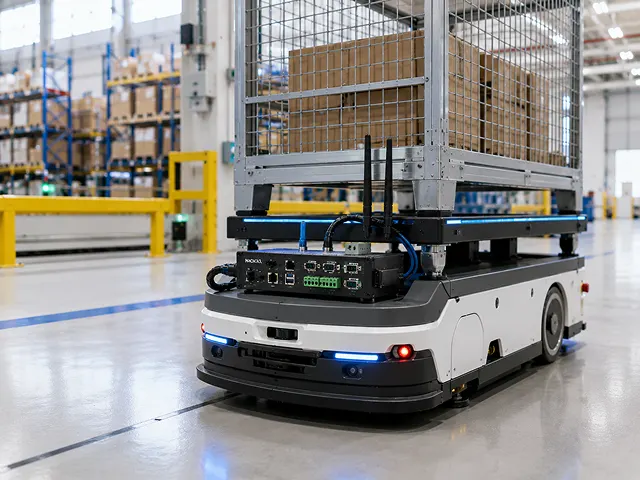
Rugged Brain for AGV Motion
26 Jun 2026Fanless industrial controller platform for AGV motion, sensors, CAN bus, isolated I/O, wireless communication, and harsh factory movement.


 Overview
 Challenges
The main challenges were
- AGVs have to move heavy materials safely and efficiently while navigating by machine vision, laser, magnetic tape, colored tape, wired guidance, or other sensing methods depending on the site
- The controller running all of that has to survive vibration, shock, and a wide operating-temperature range while staying connected to motion and sensor systems continuously
 Objectives
The system needed to
- Provide a rugged AGV control system combining processor performance
- wireless communication
- isolated digital I/O
- serial ports
- shock/vibration resistance across a wide operating-temperature range
 Solution Delivered
The solution included
- A rugged embedded system was deployed as the AGV's central control computer, built around Intel Core or Atom processors for the processing headroom AGV navigation and object recognition need
- CAN bus connectivity handled motion and direction control — the same communication standard used across most AGV drive systems — while isolated digital I/O and serial ports connected directly to the vehicle's sensors and actuators without needing external signal-conditioning hardware
- Optional Wi-Fi/4G modules let the AGV talk to nearby vehicles, the central fleet-management system, or cloud platforms, and the whole unit was rated to 50 Grms operating shock, 5 Grms operating vibration, and a -40°C to 70°C range, so it kept running through the daily bumps and temperature swings of a working warehouse or factory floor
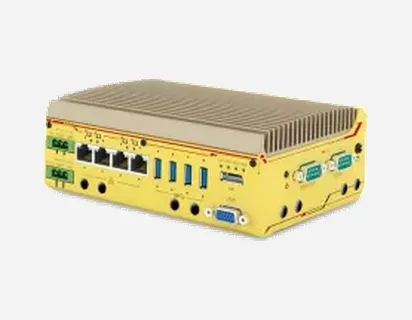
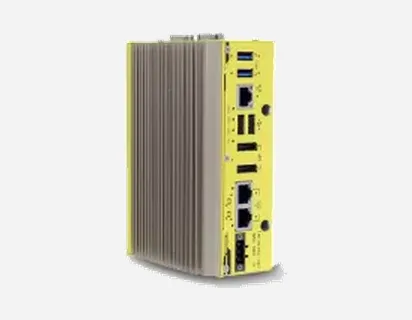
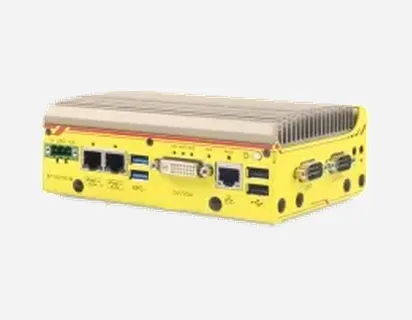
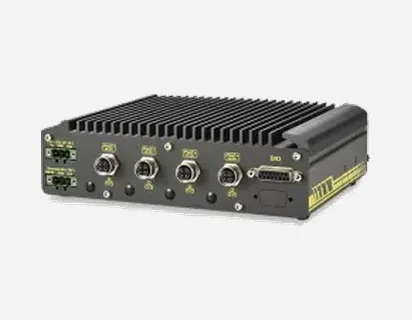
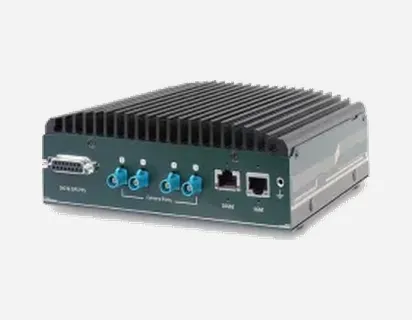
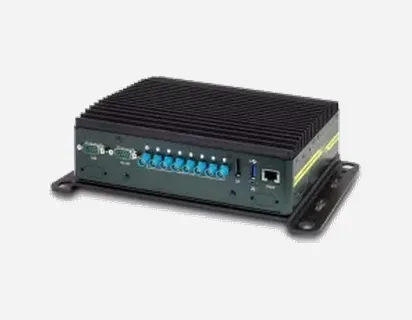
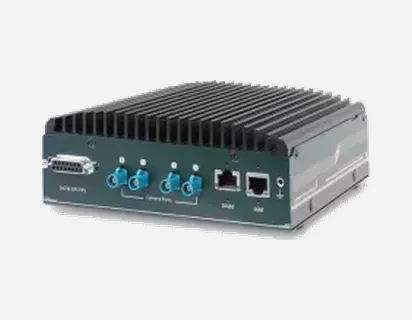
Products referenced in the source material include
Conclusion
This is a core Manufacturing story because AGVs are now part of factory productivity. It presents the controller as the foundation for reliable autonomous material movement inside factories and warehouses.