
- This railway application uses traffic-light identification
- distance/object detection and alerting
- driver facial recognition
- driver fatigue detection to improve rolling-stock safety in real time
Case Studies
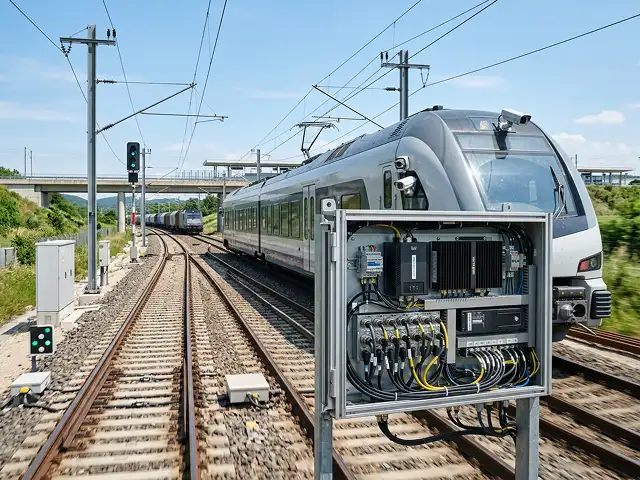
Rail Obstruction Recognition and Warning
26 Jun 2026Rugged railway computers and supercapacitor backup for real-time obstruction, distance, and driver-status recognition.


 Overview
 Challenges
The main challenges were
- Rolling-stock systems face shock
- vibration
- electrical instability
- connectivity needs for cameras and sensors
- the requirement for reliable operation under railway-specific certifications — a materially higher bar than standard industrial equipment
 Objectives
The system needed to
- Detect rail obstructions
- sense distance to objects
- recognize traffic-light state
- monitor driver identity and fatigue
- keep systems operating through momentary power interruptions that are common on rolling stock
 Solution Delivered
The solution included
- Extreme-rugged embedded computers were connected to external cameras and sensors for obstruction and distance detection ahead of the train, plus in-cabin cameras for driver facial recognition and fatigue monitoring — pairing outward-facing safety detection with inward-facing driver-state monitoring on the same rugged compute platform
- Supercapacitor power-backup modules kept the system running through the brief power interruptions rolling stock experiences during normal operation, which matters specifically because a safety system that reboots every time power blips for a second isn't actually providing continuous coverage
- NVIDIA RTX A2000 inference computing gave the platform enough processing power to run object detection and facial recognition simultaneously in real time
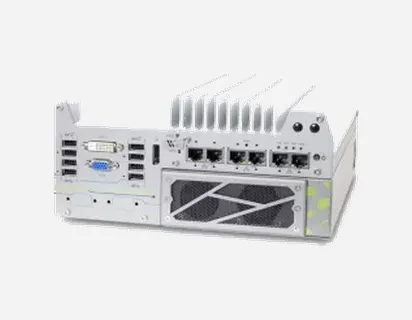
Products referenced in the source material include
Conclusion
Rugged edge AI, reliable power, and fast warning systems in a harsh mobile environment can be used to enhance safety in Railways & smart infrastructure