
- Surveillance cameras
- were deployed with high-definition IP and PoE-based cameras across highway networks for real-time monitoring and vehicle tracking from a central command center
Case Studies
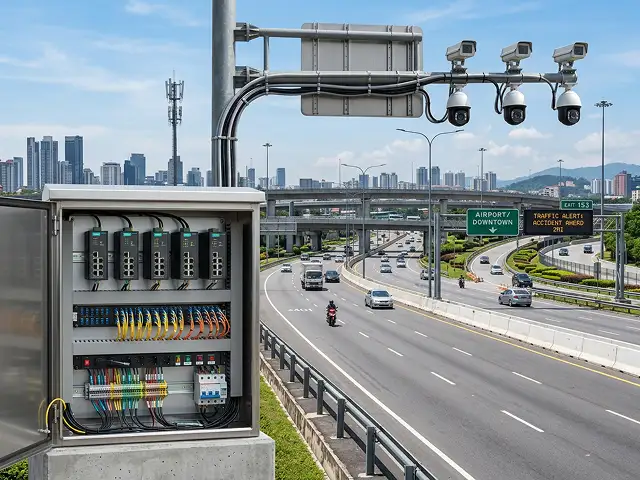
High-Definition Highway Surveillance Network
26 Jun 2026Gigabit and PoE switching with network management for high-definition IP surveillance across highway infrastructure.


 Overview
 Challenges
The main challenges were
- The network needed to integrate newly deployed PoE cameras alongside existing non-PoE cameras
- transmit large volumes of HD video over a redundant fiber backbone with secure encryption
- power cameras via PSD switches
- remain rugged enough for wide-temperature outdoor operation in compact roadside cabinets — all while giving operators visibility into thousands of network nodes
 Objectives
The system needed to
- Deploy a scalable
- high-availability IP surveillance network capable of transmitting high-definition video from hundreds of highway cameras to command center in real time
- while giving network operators visibility and rapid fault detection across the entire system
 Solution Delivered
The solution included
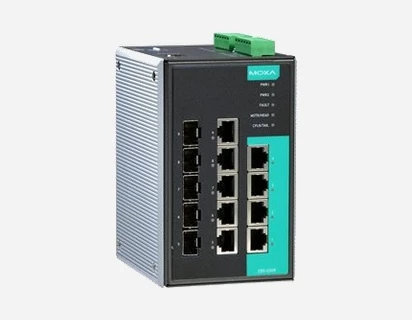
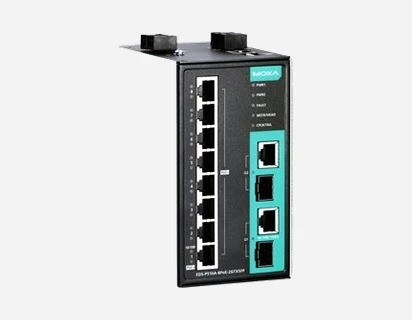
- Moxa's EDS-G509-T switches integrated existing non-PoE cameras, while EDS-P510-T switches connected and powered the new PoE cameras across their seven PoE ports
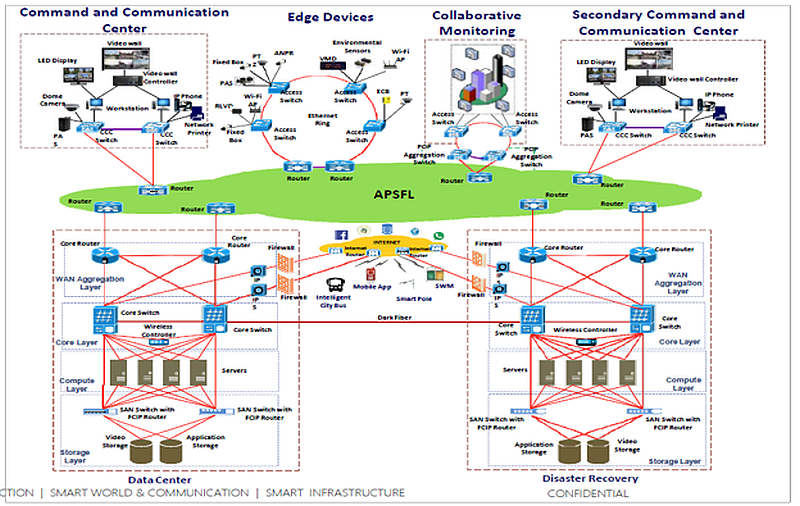
- Both switch types linked back to a central Industrial managed switch over fiber, chosen for its modular, highly scalable design
- At the command center, Moxa's MXview network management software automatically detected and mapped up to 2,000 network nodes, giving operators an intuitive visual layout with instant alerts on severed links or unavailable devices
- Redundant Gigabit Turbo Ring technology kept downtime to under 50ms across 250 switches, and wide-temperature (-40°C to 75°C) hardware ensured reliable operation in outdoor roadside conditions
Products referenced in the source material include
Conclusion
A resilient, fiber-backed surveillance network like this shows how the right mix of managed switching, PoE power delivery, and centralized network visibility can turn the project in a genuinely manageable system — one where operators spot and resolve issues in seconds rather than hours. For any large-scale, geographically distributed surveillance or traffic-monitoring deployment, this combination of ruggedness, redundancy, and real-time network management is what makes the difference between cameras that just record and a system authorities can actually rely on.