
- Wide open spaces and roadside locations are some of the hardest places to run useful video analytics — cameras cover a lot of ground, lighting and weather change constantly, and sending every frame back to a central server for processing isn't fast enough for real-time alerts
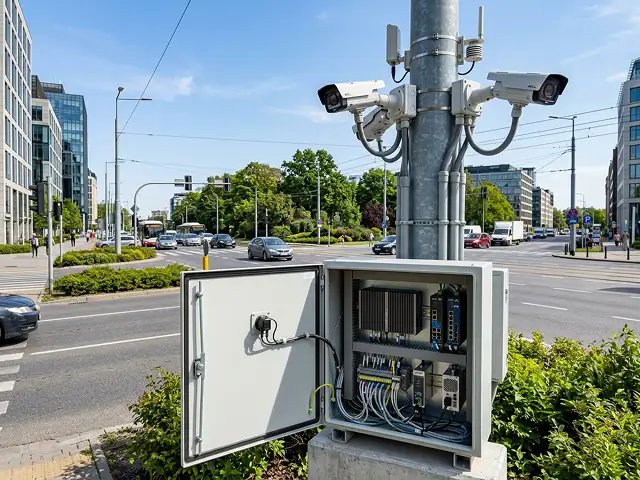
- This case covers a rugged edge AI deployment built to analyze video right at the camera, in outdoor, open-space conditions
Case Studies
Edge AI for Open-Space Video Analytics
26 Jun 2026Rugged edge AI computers for real-time video analytics in open outdoor and roadside environments.


 Overview
 Challenges
The main challenges were
- open-space video analytics has to cope with direct sunlight
- vibration if the hardware is mounted on a pole or vehicle
- while still processing large video streams fast enough to catch events as they happen rather than after the fact; systems deployed roadside or on moving platforms also need reliable connectivity back to whatever system consumes the alerts
 Objectives
The system needed to
- Process video streams at the edge rather than centrally
- reduce latency between an event occurring and it being flagged
- support real-time event detection
- keep the hardware reliable in outdoor or mobile deployment conditions
 Solution Delivered
The solution included
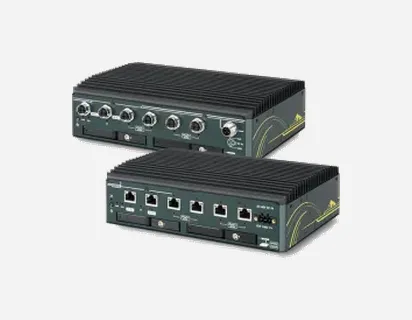
- Delivered A family of rugged edge AI computers was used to run video analytics directly at the camera location rather than piping raw footage back to a data center
- Each unit ingests camera feeds locally, runs inference on that video in place, and forwards only the resulting alerts or analyzed data onward, which cuts the bandwidth a central system needs to handle and removes the round-trip delay of sending full video streams for remote processing
- Because these units are built for outdoor and mobile duty — wide operating temperature range, shock and vibration tolerance, and sealed connectivity — the same analytics capability holds up whether it's mounted on a fixed roadside pole or a moving vehicle
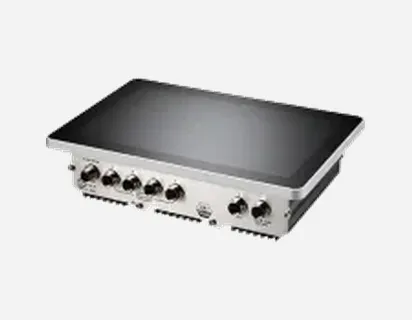
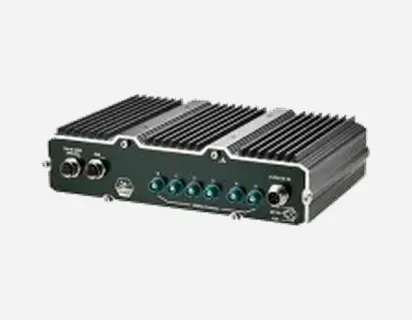
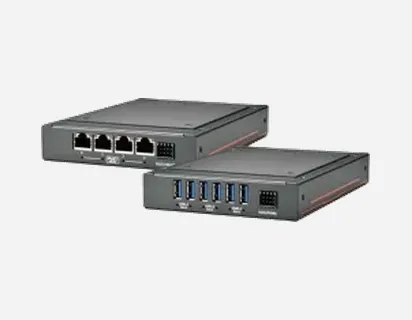
Products referenced in the source material include

Conclusion
Video analytics is one of the most visible smart-infrastructure applications — security, safety, crowd awareness, and roadside intelligence all depend on it — and running the AI at the edge, on hardware built to survive outdoors, is what makes it fast enough to matter in the moment.