
- Energy storage systems need continuous visibility into battery behaviour to operate safely and efficiently. In this application, a 40 MWh energy storage system required a networked monitoring layer to collect data from each battery system, including charging and discharging current values, relay position and individual battery temperature.
- The collected data was used for analysis of battery charging and discharging behaviour. By understanding current flow and battery temperature, operators could improve charging/discharging logic, manage energy more efficiently and support longer battery life.
Case Studies
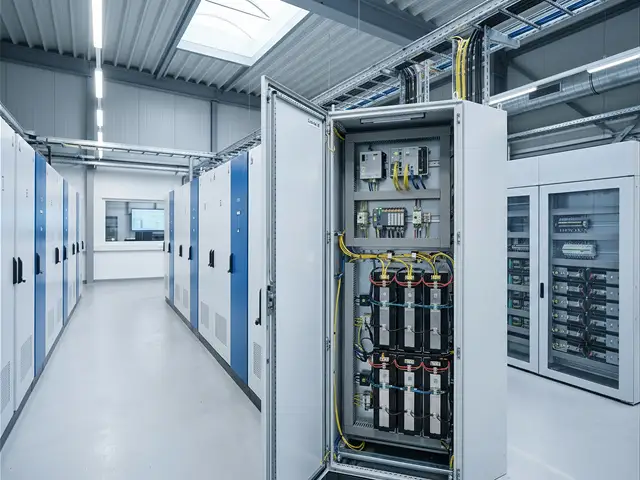
Battery Intelligence at the Edge
26 Jun 2026A rugged IIoT-based monitoring system for energy storage applications, collecting battery current, temperature and relay-status data to improve charging/discharging performance and battery lifecycle.


 Overview
 Challenges
The main challenges were
- • Monitoring charging and discharging behaviour across battery strings
- • Capturing current values and temperature data from each battery system
- • Monitoring relay position and controlling relay on/off status
- • Operating inside a high-temperature environment with airflow cooling
- • Embedding compact I/O devices into the battery system without adding unnecessary network hardware
- • Logging historical data for later analysis of battery performance
 Objectives
The system needed to
- • Collect battery current, temperature and relay-status data
- • Support control of battery relay operation
- • Enable data analysis to improve charging/discharging algorithms
- • Reduce dependence on expensive HVAC cooling by using wide-temperature equipment
- • Build a compact distributed I/O topology suitable for energy storage cabinets
- • Provide historical data logging for later performance analysis
 Solution Delivered
The solution included
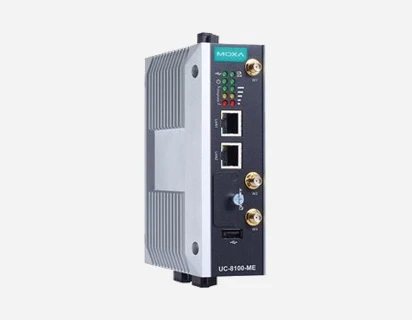
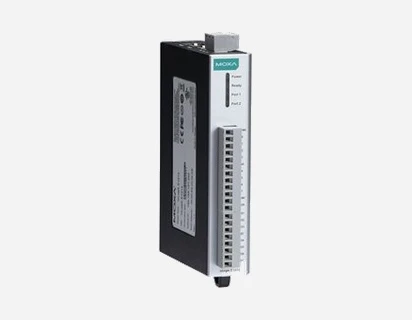
- The solution used remote I/O modules and an IIoT gateway to collect, control and log battery-system data.
- The remote I/O modules captured relay position, controlled relay output, measured string current and monitored battery temperature. The IIoT gateway logged historical data from the I/O modules so the energy storage system provider could later analyze battery behaviour and identify better charging/discharging methods.
- The compact daisy-chain design allowed the I/O modules to be embedded into the battery system without adding an extra unmanaged switch.
Products referenced in the source material include
Conclusion
This application shows how rugged IIoT gateways and distributed remote I/O can make energy storage systems more measurable, controllable and efficient. It is useful for the Power vertical because it connects battery monitoring, thermal awareness, relay control and data analysis into one practical BESS monitoring story.