
- Autonomous delivery platforms bring together vehicle autonomy, cargo-handling robotics, remote operation, and customer-facing mobile app services in one moving system, and all of that has to be coordinated by a single onboard computer
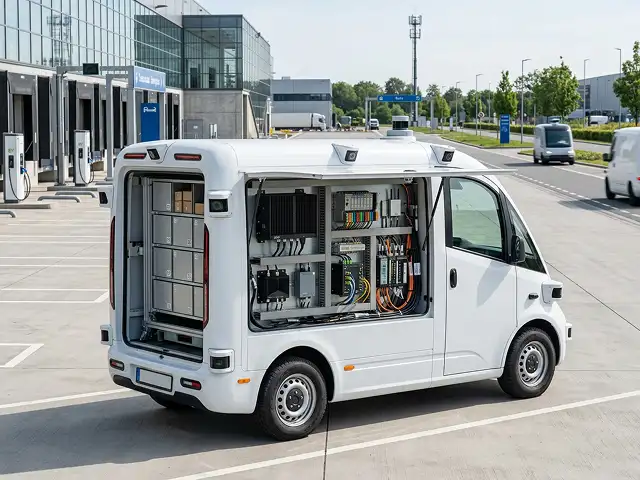
- This project covers the in-vehicle compute layer for a next-generation autonomous delivery vehicle handling data logging, gate control, cargo monitoring, and SCADA-based remote oversight
Case Studies
Autonomous Delivery Vehicle Control
26 Jun 2026Rugged in-vehicle computing for autonomous delivery, data logging, gate control, monitoring, and SCADA remote control.


 Overview
 Challenges
The main challenges were
- Delivery vehicles operate continuously in a mobile
- vibration-prone environment with variable power from the vehicle's own electrical system
- the onboard computer has to keep several distinct functions running at once — communicating with dispatch
- logging trip and cargo data
- controlling access gates for pickup
- monitoring the goods bay
- staying reachable for SCADA-based remote control — without any one function interrupting the others
 Objectives
The system needed to
- Provide in-vehicle computing for autonomous delivery
- data logging
- gate control
- process monitoring
- goods pickup surveillance
- remote control through a SCADA system
 Solution Delivered
The solution included
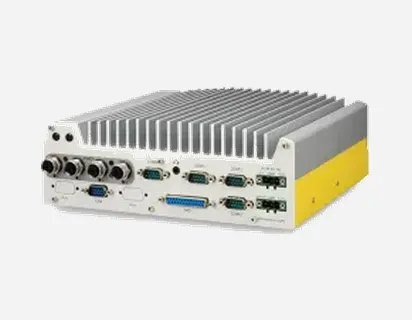
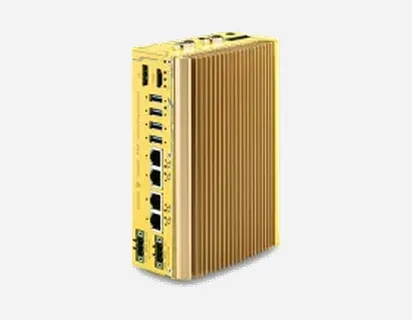
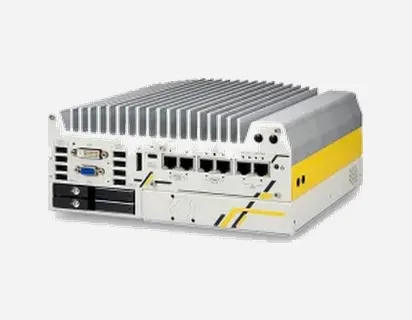
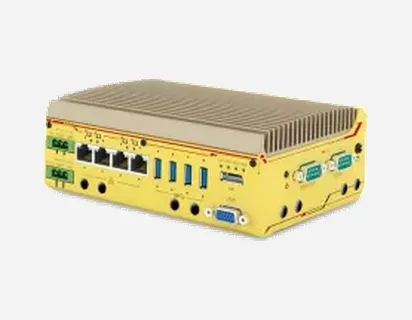
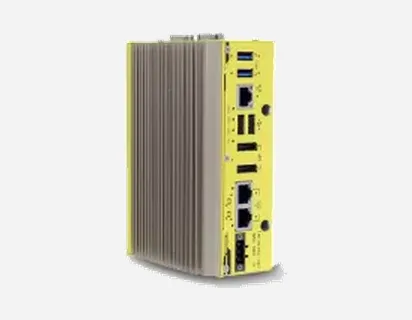
- A fanless, rugged in-vehicle computer from the Nuvo VTC family was installed as the vehicle's central compute node, chosen for its wide operating-temperature range, shock and vibration tolerance, and rich I/O suited to a multi-function vehicle platform
- The system handled 5G connectivity for remote SCADA access, coordinated the gate-control mechanism used during cargo pickup, logged trip and delivery data continuously, and managed camera surveillance of the goods bay — all from one onboard unit rather than several separate boxes competing for space and power in the vehicle
- Its industrial I/O and wide DC input let it draw power directly from the vehicle system without a separate conditioning unit, and its ruggedization meant the same platform kept working across the daily vibration and temperature swings of real delivery routes
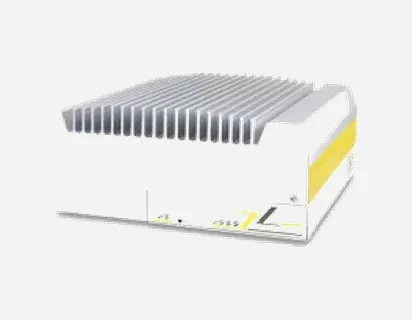
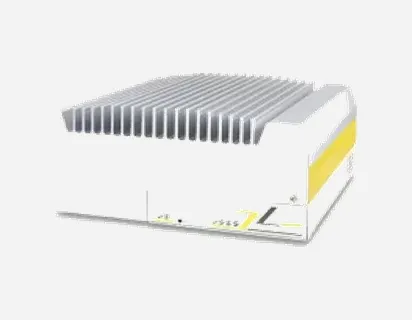
Products referenced in the source material include

Conclusion
Autonomous delivery is as much a systems-integration problem as an autonomy problem — this platform is a working example of one rugged computer coordinating cargo, communications, and control together, in a vehicle that has to keep moving.