
- Upgrade smart parking with AI and IoT technology, by fitting parking sites with cameras, sensors, and edge computing helping improve space utilisationParking systems need fast local decisions at each entry/exit and space, reliable camera and sensor integration, dependable field-hardware reliability, and connectivity back to the site's central parking-management system
- and traffic flow rather than leaving drivers to circle a lot hunting for an open spot
Case Studies
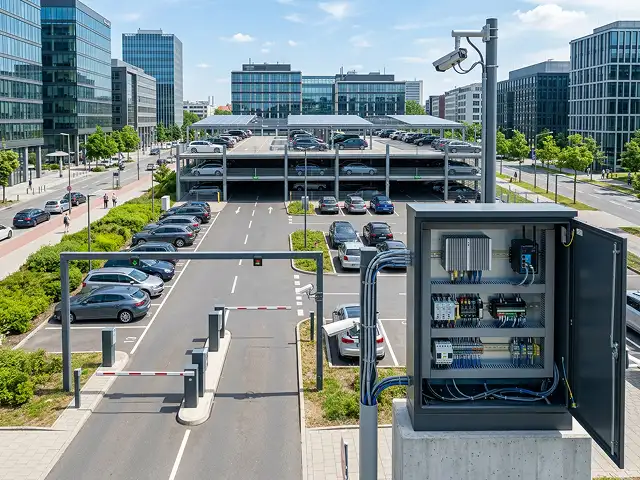
AI Smart Parking Edge Node
26 Jun 2026Edge AI and IoT computing for parking-space detection, license-plate workflows, and smart parking management.


 Overview
 Challenges
The main challenges were
- Parking systems need fast local decisions
- camera/sensor integration
- field reliability
- connectivity to management systems
 Objectives
The system needed to
- Improve space-availability visibility for drivers and operators
- automate parking workflows such as entry/exit and space detection
- reduce the congestion caused by drivers searching for parking
 Solution Delivered
The solution included
- An edge computing node was deployed to process camera and sensor data locally at the parking facility — detecting occupied vs
- available spaces and handling license-plate-based workflows right at the site — and communicate results back to the parking management system rather than sending raw video off-site for processing
- Running that analysis at the edge is what makes real-time space-availability signage and app updates possible; a centrally processed system would introduce enough latency that "available" signs would be stale by the time a driver reached that row
Conclusion
Smart parking improves urban mobility at a highly familiar pain point - parking availability and flow.